15 Best Budget 4k Camera For Filmmaking
Top Budget 4K Cameras That Deliver Professional Filmmaking Results
Creating stunning films doesn't require selling your kidney to afford a RED camera. The filmmaking landscape has transformed dramatically, with budget 4K cameras now delivering image quality that rivals professional equipment from just a few years ago.
Independent filmmakers, content creators, and aspiring cinematographers can access tools that were once exclusive to Hollywood studios. The challenge isn't finding a 4K camera under $2,000 - it's choosing the right one for your specific filmmaking needs.
Different cameras excel in various scenarios: some prioritize color science for narrative work, others focus on autofocus for solo creators, and many offer unique features that can make or break your production workflow.
1. Panasonic Lumix G85 - Best Overall Budget Pick
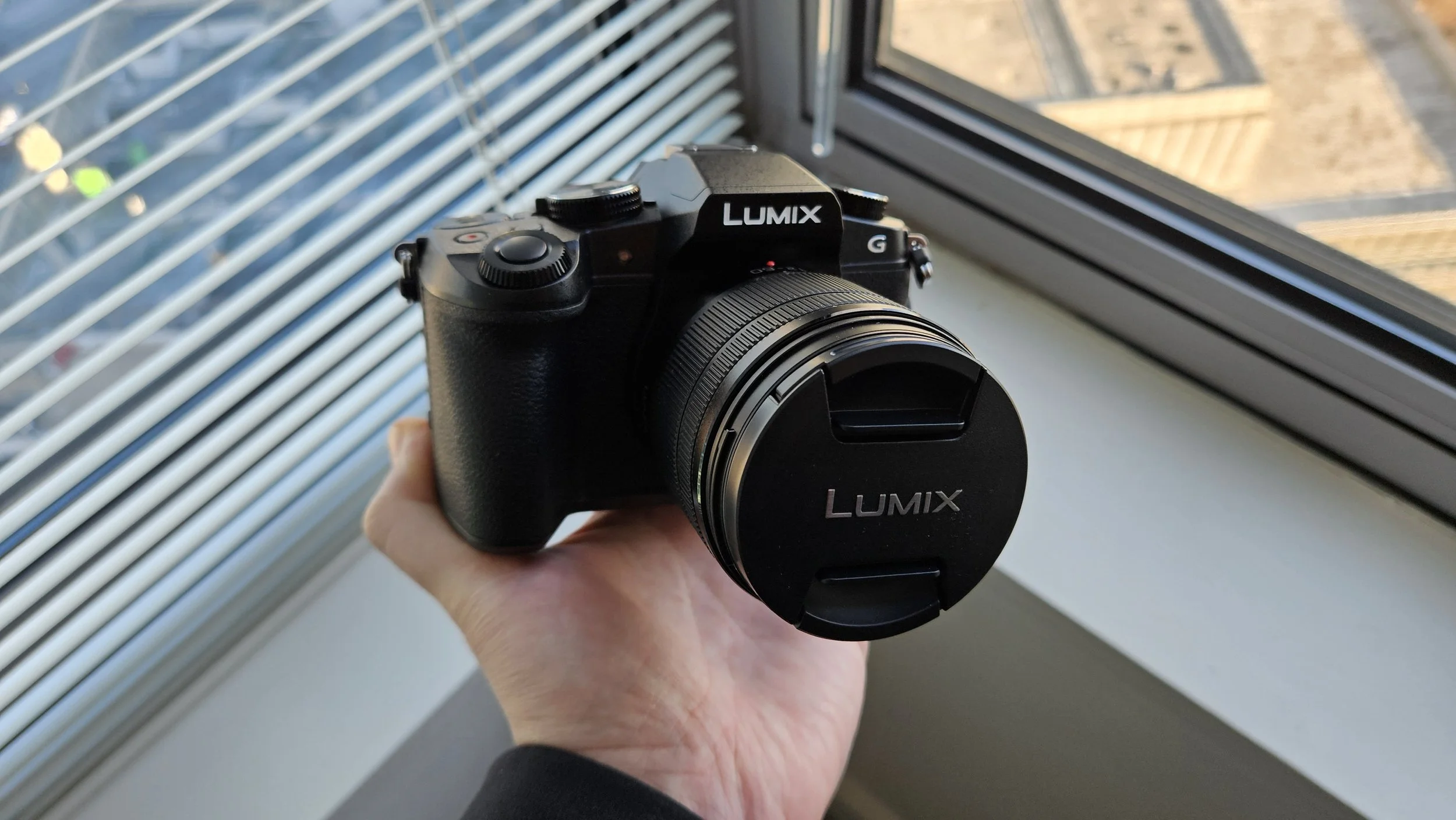
The G85 delivers exceptional value through its combination of in-body stabilization, weather sealing, and excellent 4K video quality. Recording internal 4K at 100 Mbps produces footage that grades beautifully, while the micro four-thirds sensor provides enough depth of field control for most filmmaking applications without requiring massive lenses.
Its dual-pixel autofocus system works reliably for documentary work and interviews, though manual focus remains preferable for narrative scenes. The camera's compact size and weather resistance make it ideal for guerrilla filmmaking and outdoor shoots where larger cameras would draw unwanted attention or face environmental challenges.
Battery life extends beyond most competitors, crucial for long shooting days. The G85's menu system remains intuitive even for beginners, while offering enough customization options to satisfy experienced filmmakers. At around $600-700 used, it represents the sweet spot between capability and affordability.
2. Canon EOS M50 Mark II - Best For Beginners
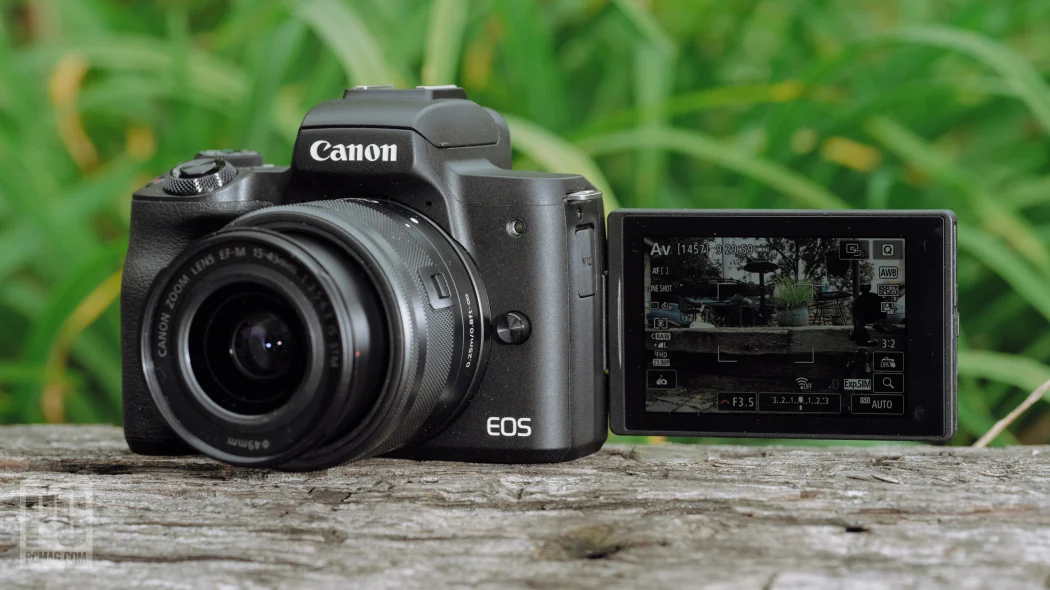
Canon's M50 Mark II simplifies 4K filmmaking without sacrificing quality. Its guided menu system helps newcomers understand camera settings, while the flip-out screen facilitates solo content creation and vlogging applications. The camera's compact form factor encourages experimentation and reduces intimidation for first-time filmmakers.
Dual-pixel autofocus excels in single-shot scenarios and interview setups, providing smooth focus transitions that look professional without manual focus skills. The crop factor in 4K mode requires wider lenses, but this limitation forces beginners to learn proper framing and composition fundamentals.
Color science produces pleasing skin tones straight out of the camera, requiring minimal color correction for social media and web content. While lacking advanced features like log recording, the M50 Mark II delivers consistently good results that build confidence in new filmmakers learning their craft.
3. Sony Alpha A6000 - Best Value Mirrorless
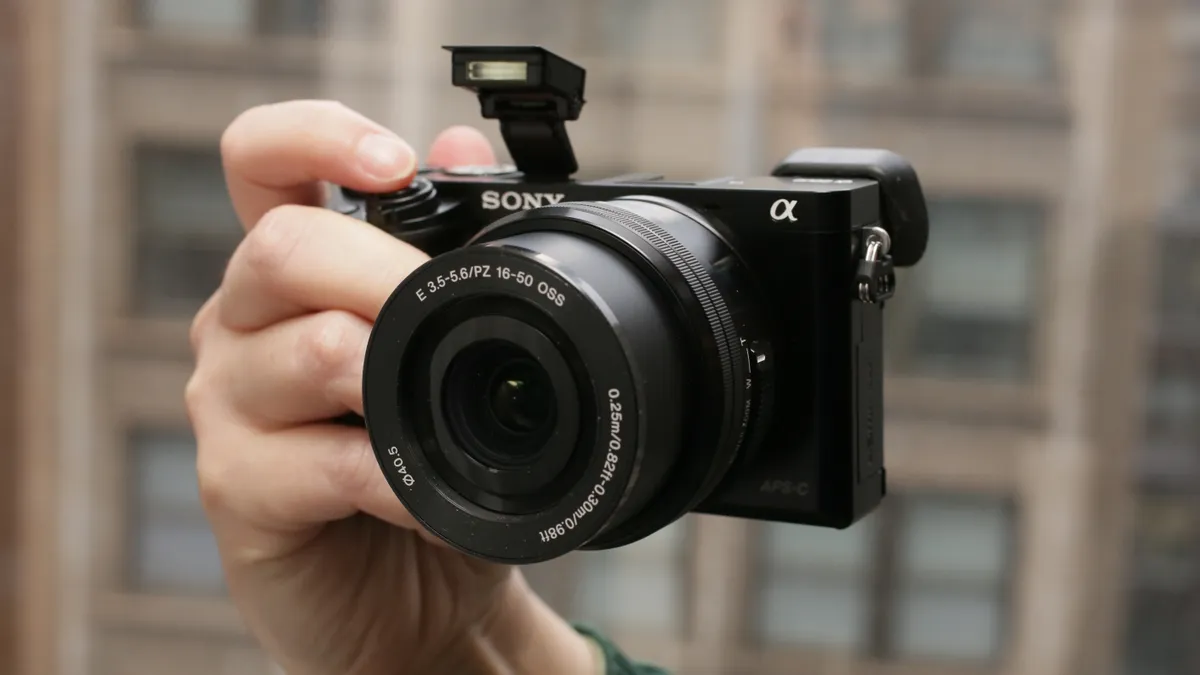
Despite its age, the A6000 remains relevant through its exceptional low-light performance and vast lens ecosystem. Sony's E-mount system offers more affordable third-party lens options than any competitor, keeping total system costs manageable while providing creative flexibility through different focal lengths and specialty lenses.
The camera's fast hybrid autofocus system tracks subjects effectively during movement, making it suitable for documentary work and event filming. While it lacks in-body stabilization, the superior low-light capabilities often eliminate the need for additional lighting equipment, saving budget and setup time.
Menu complexity requires a learning curve, but the extensive customization options allow experienced users to optimize controls for their shooting style. Used models sell for under $400, making this an exceptional entry point into serious filmmaking equipment.
4. Panasonic Lumix G7 - Best For Indie Films
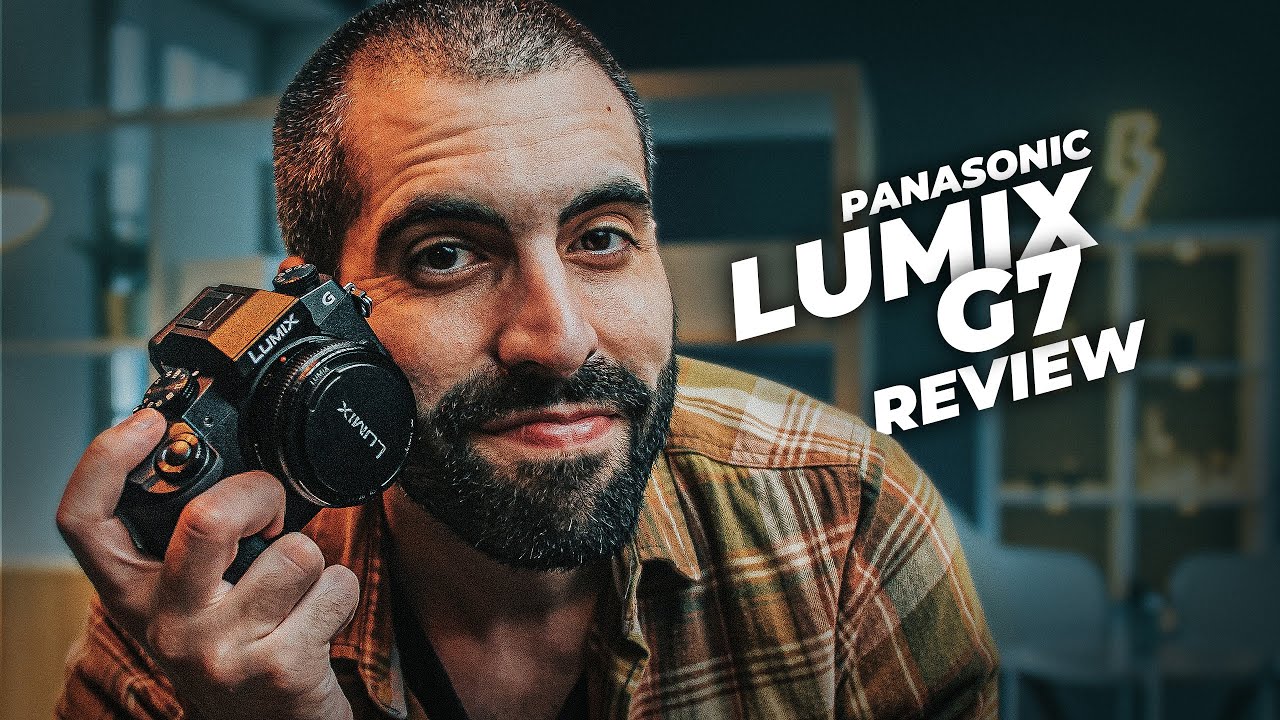
Panasonic Lumix G7 Review | Worth Buying?
The G7's video-focused design prioritizes filmmaking features over still photography, resulting in superior video quality at its price point. Internal 4K recording at 100 Mbps produces footage that withstands aggressive color grading, essential for achieving the polished look indie films require to compete with larger productions.
Micro four-thirds sensor size provides the perfect balance between depth of field control and practicality. Smaller sensors require less light for proper exposure and offer greater depth of field, reducing focus-pulling complexity during solo shoots while still allowing shallow focus when desired with fast lenses.
The camera's lightweight build facilitates handheld shooting and reduces fatigue during long filming days. Excellent heat management prevents overheating during extended recording sessions, crucial for interview work and event documentation, where stopping to cool down isn't practical.
5. BlackMagic Design Pocket Cinema Camera 4K - Best For Color Grading
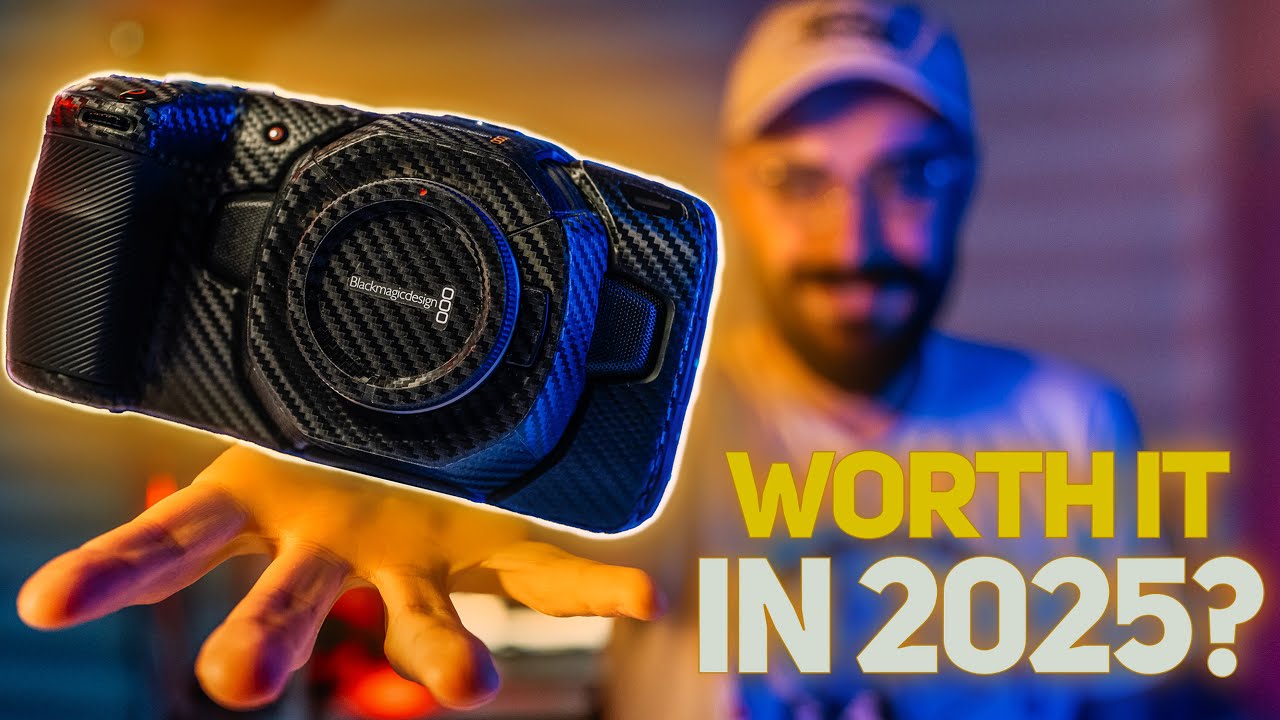
BEST BUDGET Cinema Camera in 2025 | Blackmagic Pocket Cinema Camera 4k
The BMPCC 4K revolutionizes budget filmmaking through its professional codec support and exceptional dynamic range. Recording in ProRes and RAW formats provides unprecedented flexibility in post-production, allowing colorists to push footage further than any other camera in this price range without quality degradation.
Dual native ISO technology delivers clean footage at both 400 and 3200 ISO, effectively doubling your available light range compared to traditional sensors. This capability reduces lighting requirements and enables natural-looking footage in challenging lighting conditions that would defeat other budget cameras.
The camera requires additional accessories for practical use – external monitors, batteries, and storage – but the image quality justifies the extra investment for serious filmmakers. Color science rivals cameras costing ten times more, making this the clear choice for narrative work requiring extensive post-production.
6. Canon EOS Rebel T8i - Best DSLR Option
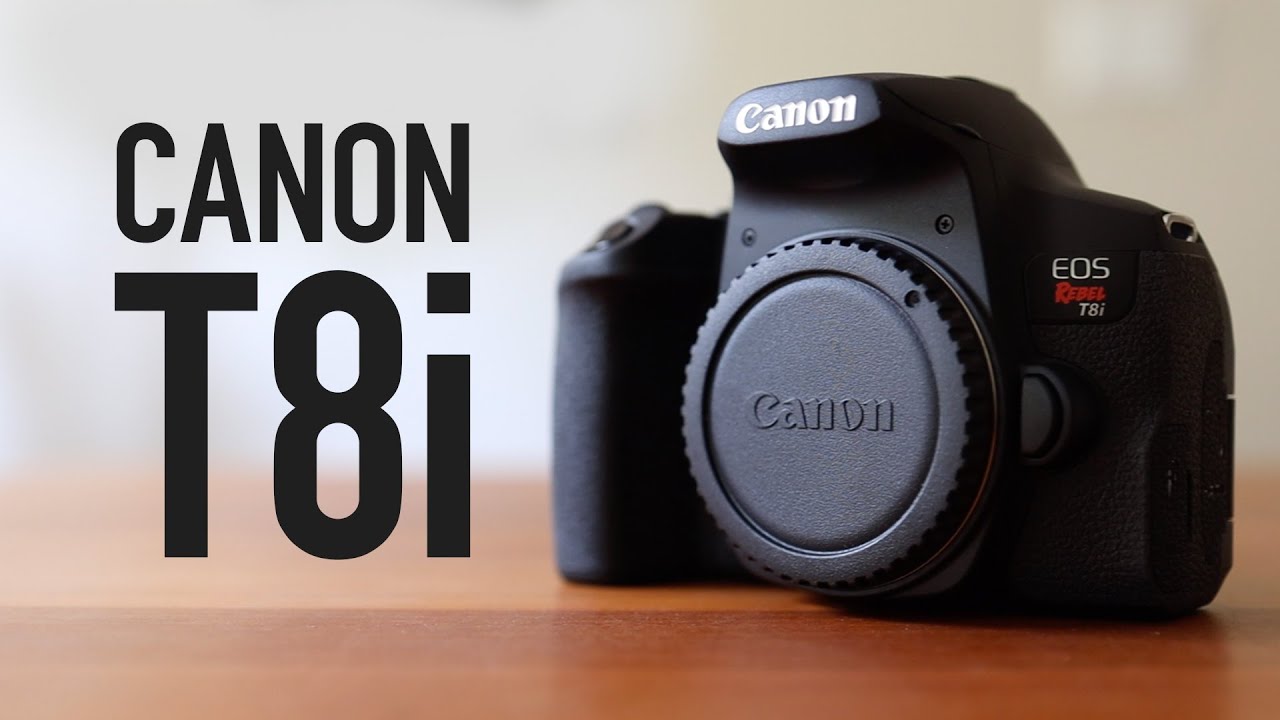
Canon Rebel T8i (850D) - The best selling camera no one will care about
The T8i combines DSLR ergonomics with impressive 4K capabilities, appealing to photographers transitioning into filmmaking. Its optical viewfinder provides better battery life and clearer viewing in bright sunlight compared to electronic alternatives, while the traditional DSLR form factor feels familiar and stable during handheld shooting.
Canon's color science produces attractive skin tones and natural color reproduction straight from the camera, reducing post-production time for projects with quick turnarounds. The extensive lens ecosystem includes many affordable options, though adapter compatibility opens access to vintage and specialty lenses for creative effects.
Dual-pixel autofocus works smoothly for video, though the lack of in-body stabilization requires steady hands or stabilized lenses for professional results. Battery life exceeds most mirrorless competitors, crucial for long shooting days and remote locations where charging opportunities are limited.
7. Sony ZV-E10 - Best For Content Creators
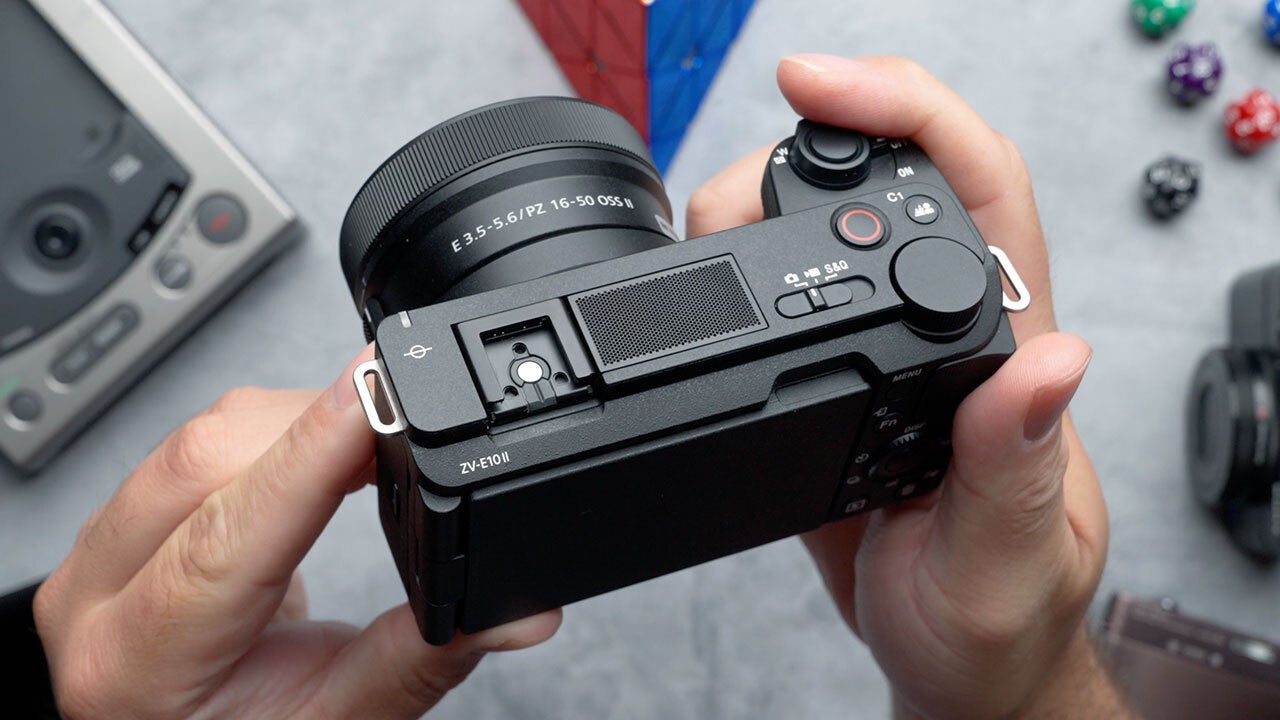
Sony designed the ZV-E10 specifically for content creators, incorporating features that streamline solo video production. The flip-out screen, built-in directional microphone, and simplified menu system remove technical barriers that prevent creators from focusing on content rather than camera operation.
Product showcase mode automatically shifts focus from face to objects held in front of the camera, perfect for review videos and educational content. The camera's compact size and silent shooting modes make it ideal for situations requiring discretion, while the large APS-C sensor provides professional image quality.
Real-time eye autofocus maintains sharp focus during movement, essential for solo creators who can't monitor focus while recording. While lacking advanced features like log recording, the ZV-E10 produces consistently good results for web content and social media platforms where technical perfection matters less than consistent quality.
8. Fujifilm X-T30 - Best For Cinematic Look
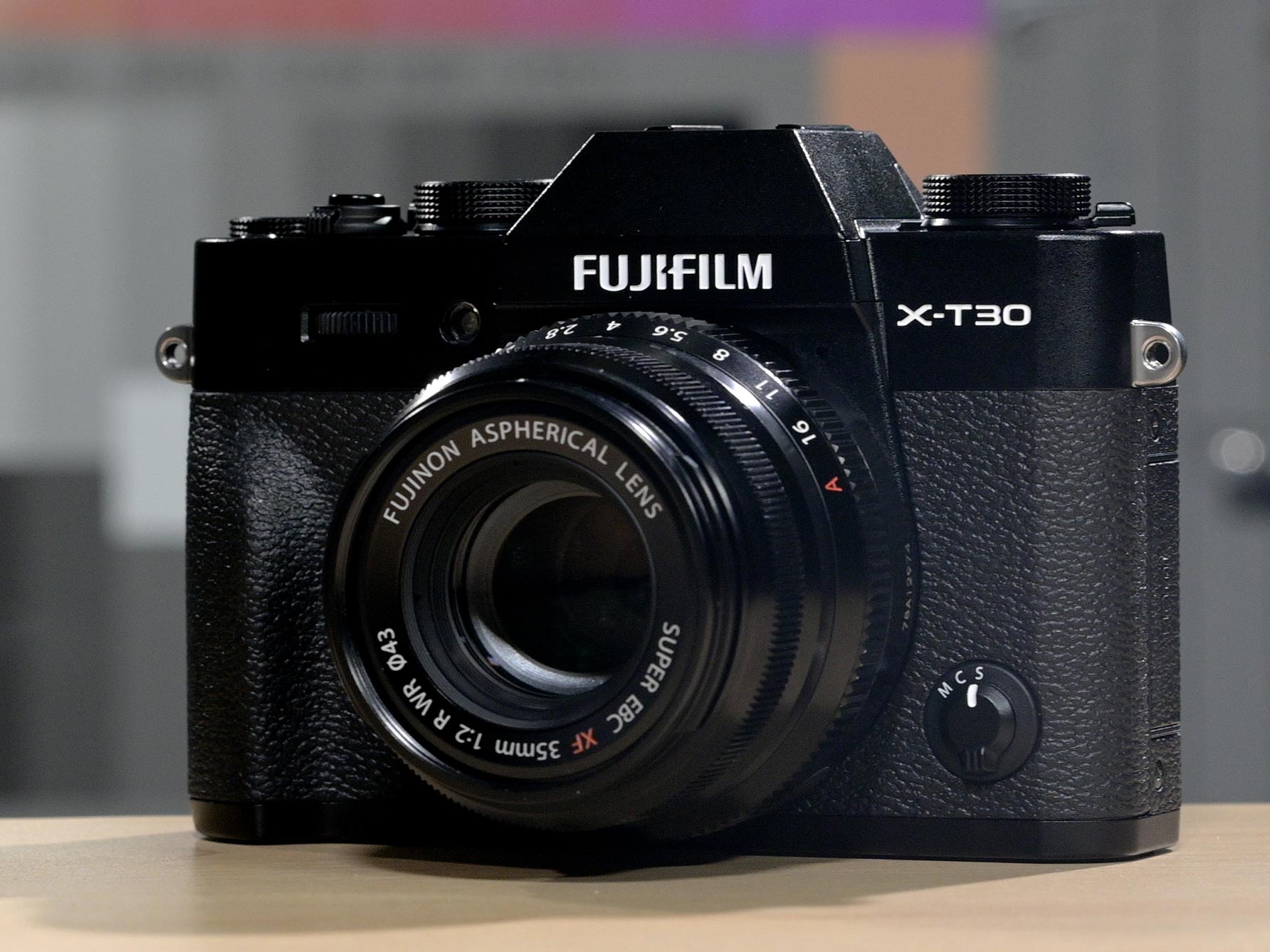
Fujifilm's film emulation technology produces distinctive color characteristics that mimic classic film stocks, providing an organic, cinematic quality straight from the camera. These film simulations reduce post-production time while maintaining the film-like aesthetic many independent filmmakers seek to differentiate their work from digital video.
The camera's compact retro design includes physical dials for key settings, enabling quick adjustments without diving into menu systems. This tactile approach speeds up shooting and provides better control during rapidly changing conditions, particularly valuable for documentary and street filmmaking applications.
Excellent build quality and weather resistance support demanding shooting environments, while the extensive lens ecosystem includes many affordable options with exceptional optical quality. The X-T30's hybrid autofocus system balances speed with accuracy, suitable for most filming scenarios outside of extreme sports applications.
9. Panasonic Lumix FZ80
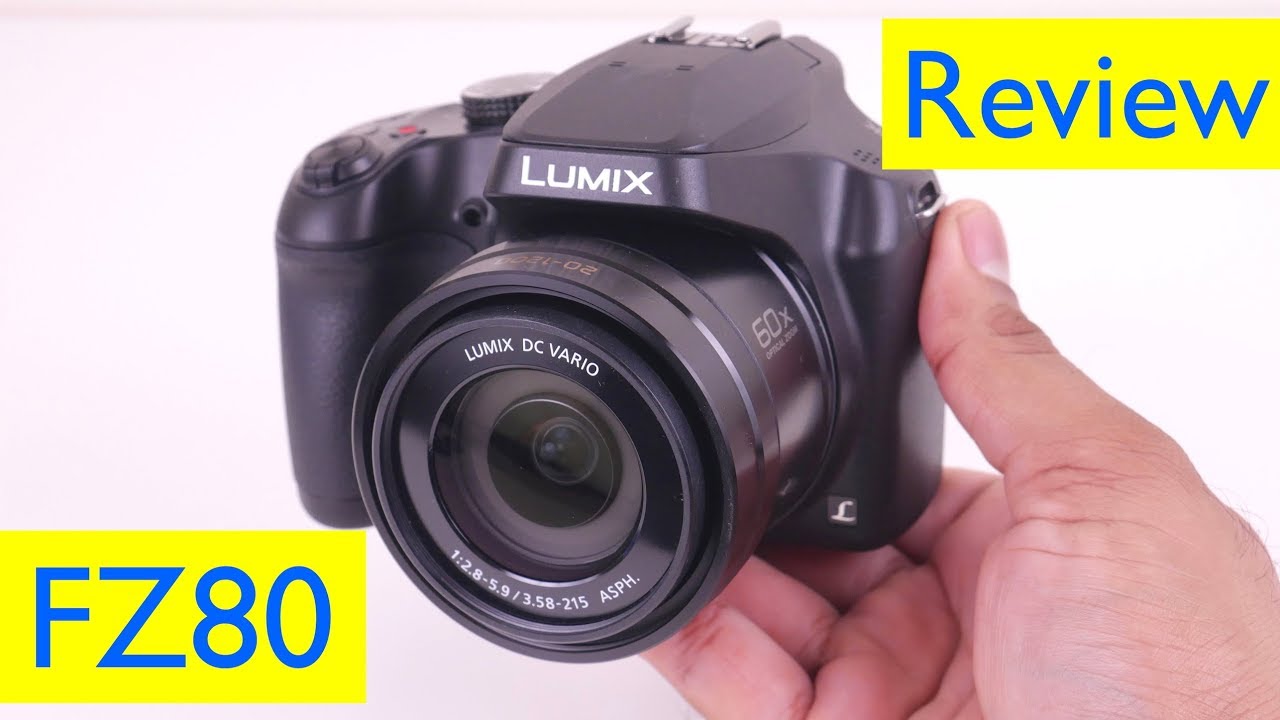
Panasonic Lumix FZ80 Review and 4K Video Zoom Footage Test
The FZ80's 60x optical zoom range eliminates the need for multiple lenses, making it ideal for filmmakers working alone or with minimal equipment. This versatility proves invaluable for documentary work, sports filming, and nature cinematography, where lens changes aren't practical or possible.
Image stabilization works effectively throughout the entire zoom range, enabling handheld footage that would require expensive telephoto lenses and tripods with other camera systems. The smaller sensor trades some low-light performance for incredible depth of field, keeping subjects sharp across the entire zoom range.
Built-in ND filters provide exposure control without external accessories, streamlining the shooting process and reducing equipment complexity. While the smaller sensor limits bokeh effects and low-light capability, the convenience factor and versatility make this an excellent choice for specific applications.
10. Canon EOS R10 - Best APS-C Mirrorless
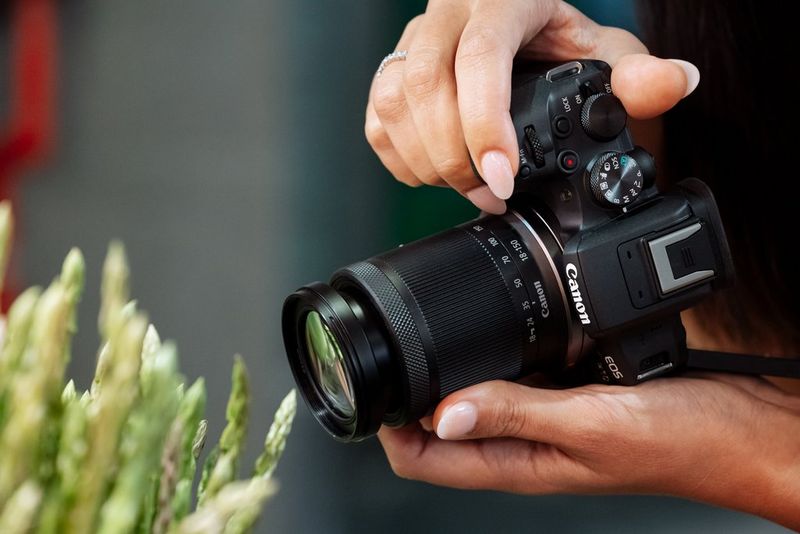
The R10 represents Canon's latest mirrorless technology at an accessible price point, offering features typically found in more expensive cameras. Its electronic viewfinder provides accurate exposure preview and focus confirmation, while the fully articulating touchscreen facilitates shooting from any angle.
Advanced autofocus tracking maintains focus on moving subjects with remarkable accuracy, making it suitable for sports, wildlife, and action filmmaking. The camera's burst rate capabilities and buffer performance exceed most budget options, though video features remain the primary consideration for filmmakers.
Canon's RF lens mount opens access to exceptional optical quality, though native lenses carry premium prices. EF adapter compatibility preserves investment in existing Canon lenses while providing access to affordable third-party options that expand creative possibilities without breaking budgets.
11. Panasonic LX10 - Most Compact Option
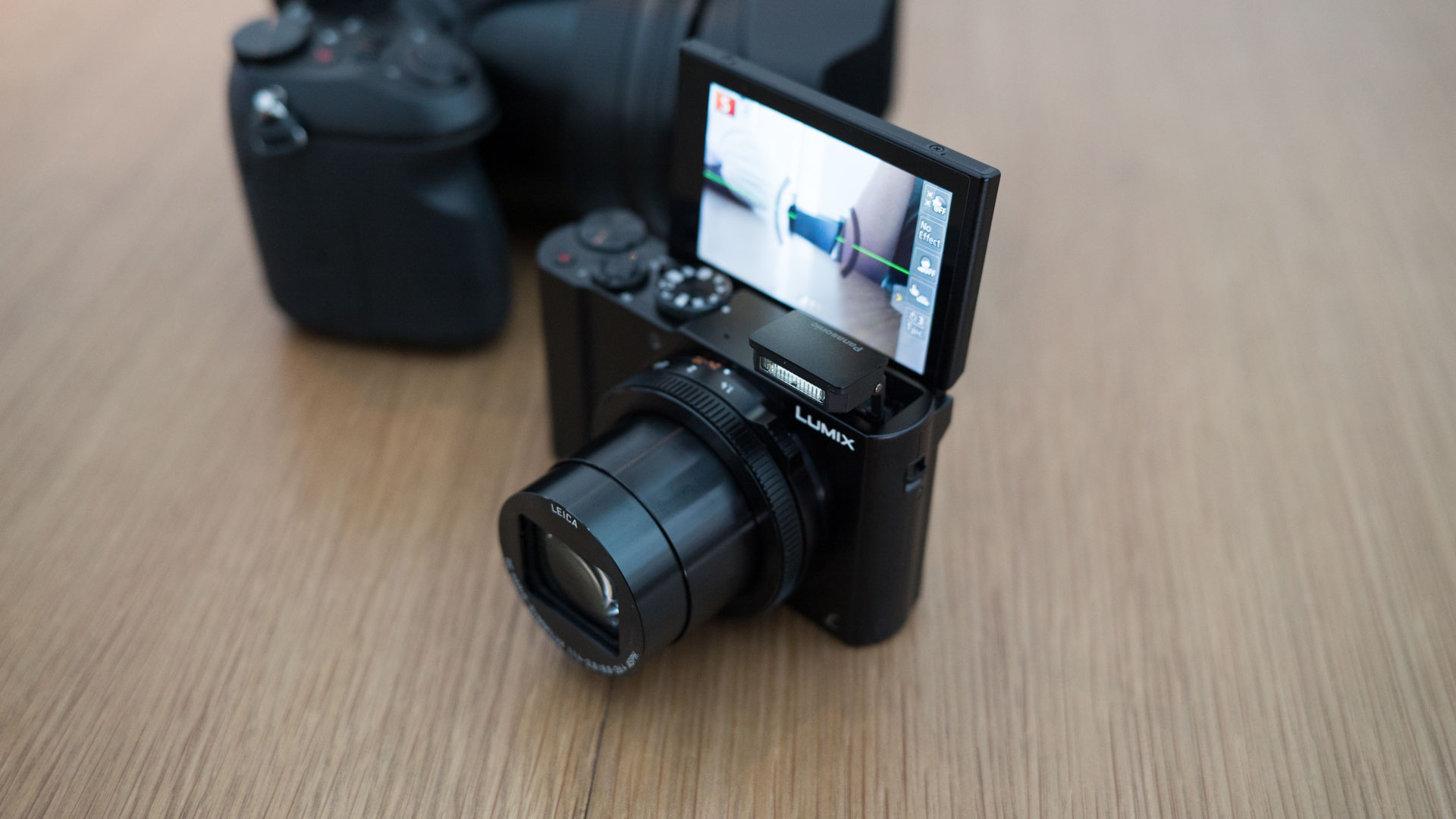
The LX10 packs impressive 4K capabilities into a pocket-sized body, making it ideal for situations where larger cameras aren't practical or allowed. Its fast f/1.4-2.8 lens provides good low-light performance and shallow depth of field effects despite the smaller sensor, while built-in image stabilization ensures sharp handheld footage.
Advanced manual controls rival much larger cameras, allowing experienced users to maintain creative control despite the compact size. The camera's silent operation proves valuable for discreet filming, while the premium build quality withstands regular use better than typical compact cameras.
While the small sensor limits low-light capability and depth of field control compared to larger cameras, the convenience factor makes this an excellent B-camera or travel filming solution. Many filmmakers keep an LX10 as backup or for situations where their main camera would be impractical.
12. Sony A6400 - Best Autofocus Performance
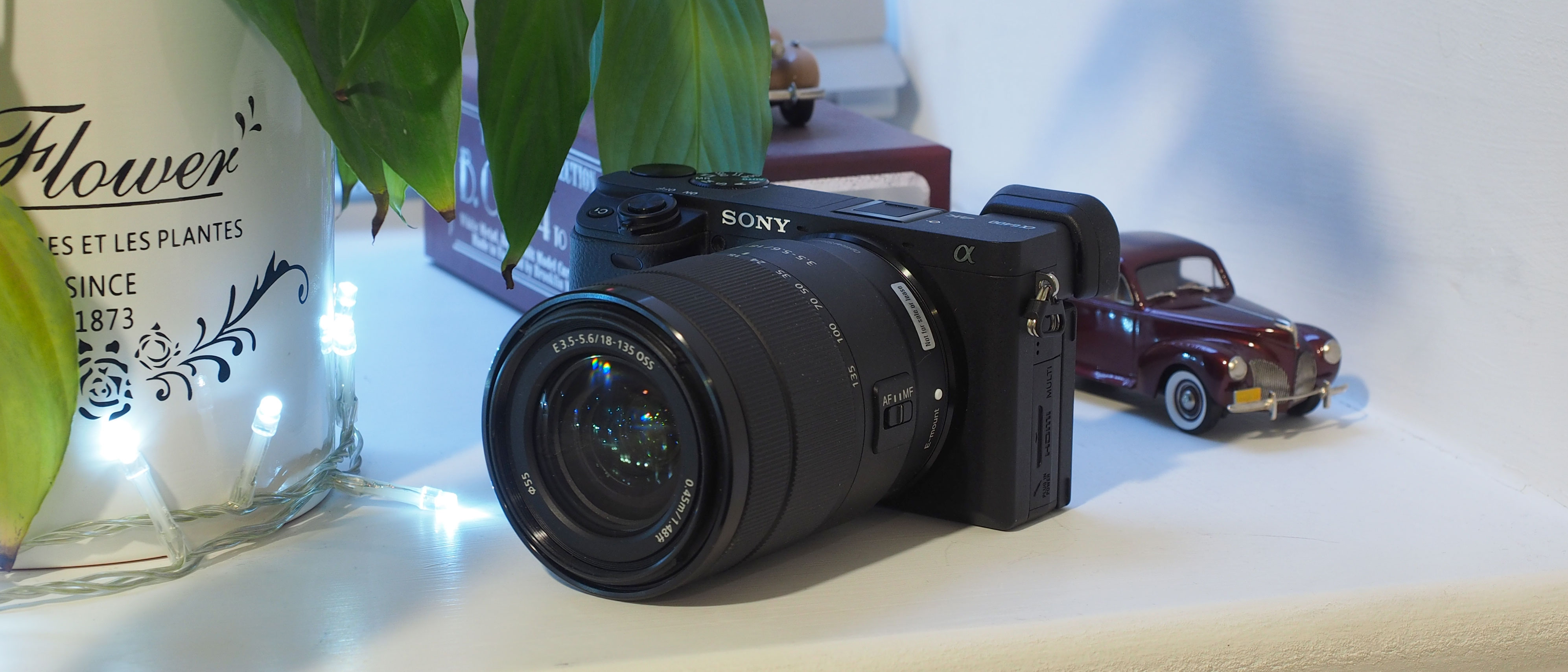
Sony's real-time tracking autofocus technology in the A6400 represents the current pinnacle of budget camera autofocus performance. The system tracks subjects with uncanny accuracy, maintaining focus even through complex movements and partial obstructions, essential for solo content creators and documentary filmmakers.
The flip-up screen facilitates self-recording while maintaining access to all controls, though the limited flip range prevents some shooting angles. Excellent low-light performance enables natural-looking footage without additional lighting, reducing equipment requirements and setup complexity.
Battery life remains Sony's weakness, requiring multiple batteries for full shooting days. However, the superior autofocus performance and image quality justify this inconvenience for many users, particularly those creating content that demands sharp focus throughout dynamic scenes.
13. Canon EOS 90D - Best Battery Life

THE CANON 90D IS A BEAST
The 90D's traditional DSLR design provides exceptional battery life that can last entire shooting days without charging, crucial for remote locations and extended productions. Its large grip accommodates comfortable handheld shooting, while the optical viewfinder conserves battery power and provides clearer viewing in challenging conditions.
Dual-pixel autofocus works smoothly for video applications, though the lack of in-body stabilization requires a steady technique or stabilized lenses for professional results. The camera's weather sealing provides confidence during outdoor shoots, while the sturdy build quality withstands demanding production environments.
Canon's extensive lens ecosystem includes many affordable options, while the camera's crop factor actually benefits telephoto applications by extending reach. For filmmakers prioritizing reliability and battery life over cutting-edge features, the 90D provides dependable performance at a reasonable price.
14. Olympus OM-D E-M10 Mark IV - Best Image Stabilization
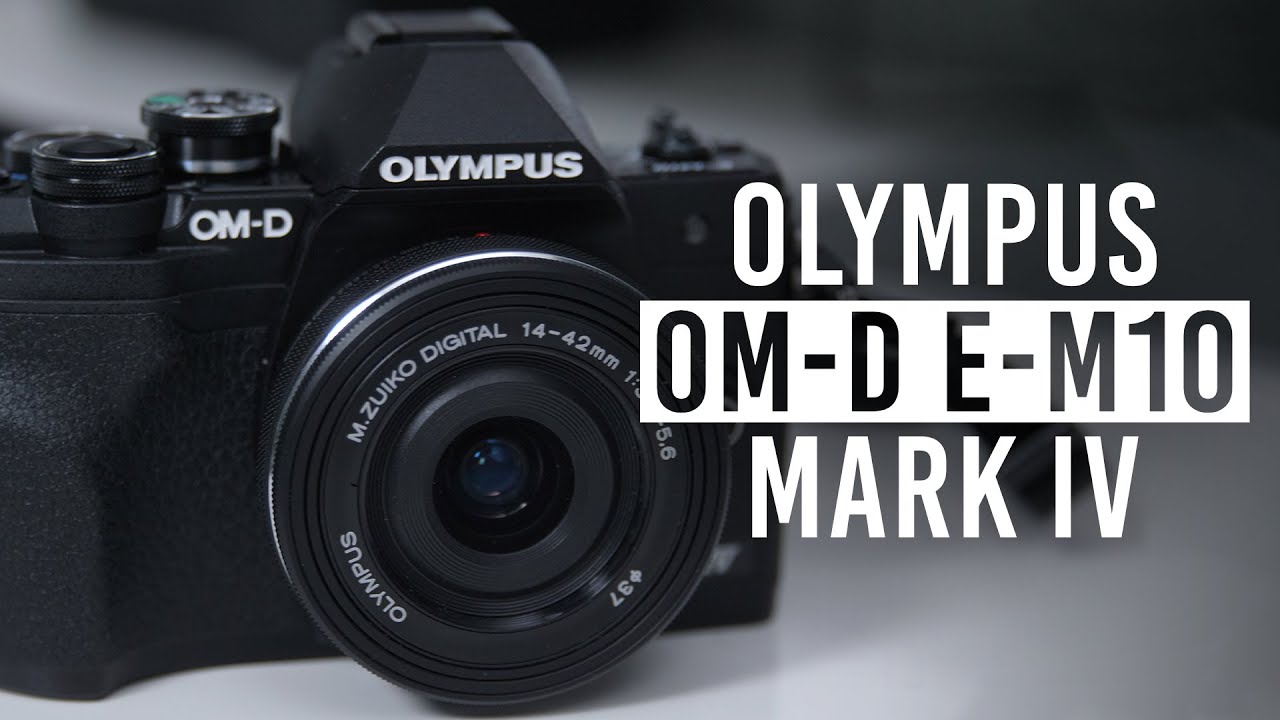
Olympus OM-D E-M10 Mark IV and M. Zuiko 100-400mm f/5-6.3 Lens | Hands-on Review
Olympus's 5-axis in-body image stabilization in the E-M10 Mark IV provides up to 4.5 stops of shake reduction, enabling sharp handheld footage that would require tripods with other cameras. This capability proves invaluable for guerrilla filmmaking and situations where traditional stabilization equipment isn't practical.
The Micro Four-Thirds sensor provides good image quality while maintaining compact system size and affordable lens options. While lacking advanced video features like log recording, the camera produces consistently sharp, well-stabilized footage suitable for most applications.
Menu system complexity requires learning time, but the extensive customization options allow users to optimize controls for their shooting style. The camera's art filters provide creative options straight from the camera, though serious filmmakers typically prefer neutral profiles for post-production flexibility.
15. GoPro Hero12 - Best For Action Sequences
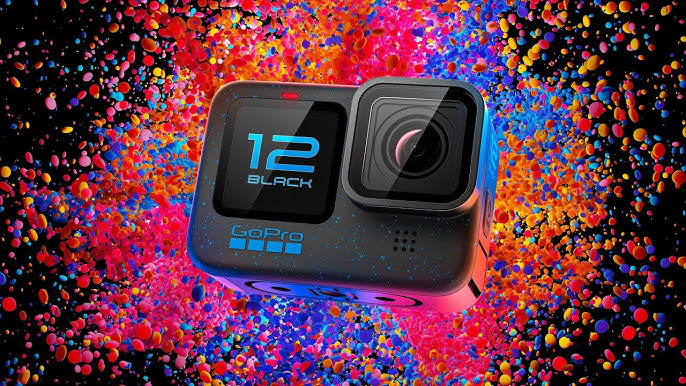
The Hero12's ultra-compact size and exceptional stabilization make it irreplaceable for action sequences and mounting in impossible locations. Its rugged build withstands conditions that would destroy traditional cameras, while multiple mounting options enable creative angles and perspectives impossible with larger equipment.
Advanced stabilization technology produces gimbal-smooth footage from extreme activities, while the wide-angle perspective captures immersive action footage. Various frame rate options, including high-speed recording, enable dramatic slow-motion effects that enhance action sequences and sports content.
While the fixed wide-angle lens limits creative control compared to interchangeable lens cameras, the unique perspectives and extreme durability make this an essential tool for specific applications. Many filmmakers use GoPros as B-cameras or for specialized shots within larger productions.
Related: 4K Vs 8K
Beyond the Lens: The Business of Filmmaking
Filmmaking today is about more than just the technical aspects of shooting. To truly succeed, you must also understand how to distribute and monetize your content in the modern digital landscape.
This means mastering social media platforms, engaging with your audience, and building a brand around your work. It requires a new kind of creative thinking, one that extends beyond the camera's viewfinder.
Unleashing your inner strategist in online entertainment is all about understanding how to navigate online trends, analyze audience behavior, and build a sustainable online presence, just as critical as your knowledge of cameras and lighting.
Budget 4K Camera Comparison: Specs That Matter Most
Sensor Size And Image Quality Breakdown
Sensor size directly impacts image quality, low-light performance, and depth of field control. Full-frame sensors capture more light and provide shallower depth of field, but APS-C sensors in budget cameras offer the best balance between image quality and system size. Micro four-thirds sensors trade some low-light capability for compact, affordable lens options.
Dynamic range determines how much detail your camera captures in shadows and highlights simultaneously. Modern budget cameras typically provide 11-13 stops of dynamic range, sufficient for most applications when combined with proper exposure technique. Cameras with log recording profiles preserve additional dynamic range for extensive color grading.
Color depth significantly impacts post-production flexibility. 10-bit recording captures 1,024 times more color information than 8-bit, preventing banding and artifacts during color grading. While many budget cameras record 8-bit internally, external recorders can unlock 10-bit capability in some models.
Recording Formats And Frame Rate Capabilities
H.264 compression remains standard in budget cameras, providing good quality at manageable file sizes. Higher bitrates (100 Mbps or above) preserve more detail but require faster memory cards and more storage space. Some cameras offer all-intraframe recording, which improves editing performance but dramatically increases file sizes.
Frame rate flexibility enables various creative options. 24fps provides the classic cinematic look, 30fps works well for standard content, and 60fps enables smooth slow-motion playback at half speed. Cameras offering 120fps in Full HD unlock more dramatic slow-motion effects for creative sequences.
Log recording profiles flatten contrast and saturation, preserving maximum information for color grading. While not essential for all projects, log capability separates serious filmmaking tools from basic video cameras. Cameras without log profiles can still produce excellent results with careful exposure and color correction.
Lens Compatibility And Ecosystem Costs
Lens ecosystem costs often exceed camera prices over time. Canon EF and Sony E-mount systems offer the most affordable third-party options, while newer mounts like Canon RF command premium prices. Consider total system cost when choosing cameras, as expensive native lenses can quickly exceed initial budget constraints.
Adapter compatibility expands lens options and preserves existing investments. Most mirrorless cameras accept adapted DSLR lenses, though autofocus speed and accuracy may suffer. Manual focus lenses from decades past can provide unique character and excellent optical quality at a fraction of modern lens costs.
Crop factors affect effective focal lengths and depth of field characteristics. APS-C sensors apply approximately 1.5x crop, turning a 50mm lens into a 75mm equivalent. Micro four-thirds sensors double focal lengths, requiring wider lenses for standard perspectives but extending telephoto reach affordably.
Essential Accessories For Budget 4K Filmmaking
Must-Have Stabilization Solutions
Handheld gimbals have revolutionized budget filmmaking by providing professional stabilization at affordable prices. Three-axis gimbals under $200 deliver smooth tracking shots and dynamic movement that elevates production value dramatically. However, gimbals require practice and impose limitations on rapid setup and shooting flexibility.
Traditional tripods remain essential for static shots, interviews, and time-lapse sequences. Fluid head tripods enable smooth panning and tilting movements, while lightweight carbon fiber models reduce fatigue during location changes. Invest in the best tripod your budget allows - cheap tripods create frustrating limitations and unreliable performance.
Shoulder rigs and camera cages provide handheld stability while maintaining shooting flexibility. These solutions work better for documentary and event filming, where a gimbal setup time isn't practical. Quality shoulder rigs distribute weight evenly and enable longer handheld shooting sessions without fatigue.
Audio Equipment That Won't Break The Bank
External microphones dramatically improve audio quality compared to built-in camera microphones. Shotgun microphones like the Rode VideoMic series provide directional pickup patterns that isolate subjects from background noise, while lavalier systems enable clear dialogue recording during interviews and narrative scenes.
Audio recorders offer superior sound quality and more input options than camera-mounted solutions. Budget recorders like the Zoom H1n provide professional-quality recording with multiple microphone inputs, though they require synchronization with camera footage during editing, adding workflow complexity.
Monitor headphones enable real-time audio monitoring during recording, preventing unusable footage due to audio problems. Closed-back headphones isolate external noise while providing accurate sound reproduction, essential for detecting audio issues before they ruin takes.
Lighting Setup For Professional Results
LED light panels provide affordable, versatile lighting solutions for budget filmmakers. Battery-powered panels enable location flexibility, while bi-color models adjust from tungsten to daylight temperatures without filters. Modern LED panels produce soft, even illumination suitable for interviews and product filming.
Reflectors and diffusion materials modify available light effectively and cost-effectively. Five-in-one reflectors provide multiple surface options for bouncing and shaping light, while diffusion panels soften harsh sunlight or LED panels for flattering portrait lighting.
Practical lighting solutions using household items can create professional-looking results on a minimal budget. Window light provides excellent soft illumination for interviews, while desk lamps with daylight bulbs serve as affordable fill lights.
Understanding light quality matters more than expensive equipment. Exploring strategy games, puzzles, and tier lists on Lucid Puzzlecan provide a fun mental workout that translates into more flexible and innovative thinking on set.
The Hidden Costs: Beyond The Camera Body
The biggest mistake new filmmakers make is thinking the camera body is their only major expense. The reality is that the body is often just the beginning.
- Lenses: The lens is arguably more important than the camera body itself. It dictates your image's quality, look, and feel. A good lens can make a mediocre camera look great, but a bad lens will make an expensive camera look terrible.
- Media & Storage: 4K video files are enormous. You will need fast, high-capacity memory cards and multiple hard drives for storage and backup.
- Batteries: Budget cameras often have short battery life, so you'll need at least 3-4 batteries and a fast charger for a full day of shooting.
- Audio: Good audio is half the battle in filmmaking. You cannot rely on a camera's built-in microphone. Plan on buying an external microphone, and possibly a separate audio recorder.
Frequently Asked Questions
What Is The Difference Between A Mirrorless Camera And A DSLR For Video?
Mirrorless cameras are generally better for video because they are lighter, have faster autofocus, and many offer superior video features. DSLRs, on the other hand, often have better battery life and a larger ecosystem of older, affordable lenses. Most manufacturers are now focusing their R&D on mirrorless technology.
Is 4K Really Necessary For YouTube And Online Content?
Yes, and here's why. While most people will watch your content on a 1080p screen, shooting in 4K gives you a huge advantage in post-production. You can crop in on your shots to create a "digital zoom" or stabilize your footage without losing resolution. It future-proofs your work, and it's a sign of a high-quality production.
What Is The Difference Between H.264 And H.265?
H.265 (also known as HEVC) is a more efficient video compression standard than H.264. It can produce the same image quality with a smaller file size, which is a huge benefit for 4K video. However, H.265 requires more processing power to edit, so make sure your computer is up to the task.
How Important Is Sensor Size For Filmmaking?
Sensor size impacts your image's depth of field, low-light performance, and lens options. A full-frame sensor (like in the Sony a7 III) offers a shallower depth of field and better low-light performance. A Micro Four Thirds sensor (like in the BMPCC4K) offers a deeper depth of field and allows for smaller, more affordable lenses.
Do I Need To Buy A Gimbal With My Camera?
While a gimbal can produce incredibly smooth, cinematic footage, it's not a necessity. Many cameras now have excellent in-body image stabilization (IBIS), which is more than enough for many types of shots. A good monopod or tripod is often a better first investment.
Is It Possible To Get A Cinematic Look With A Budget 4K Camera?
Absolutely. The cinematic look is not about the camera; it's about the lens, the lighting, and your understanding of composition. A talented filmmaker can create a stunning image with any of the cameras on this list.
Conclusion
The search for the best budget 4K camera for filmmakingis about more than just finding a cheap piece of gear. It's about empowering yourself with a powerful tool that helps you tell your story.
As you embark on your filmmaking journey, remember these core principles: prioritize the total cost of ownership, understand the crucial technical trade-offs, and invest in a camera that serves your unique creative vision.
The best camera for filmmaking isn't the one with the highest specs; it's the one you have with you when inspiration strikes. It's the camera that allows you to get out there and start shooting, learning, and creating.